Why Is My Furnace Not Heating? 7 Common Furnace Problems in South Lyon, MI
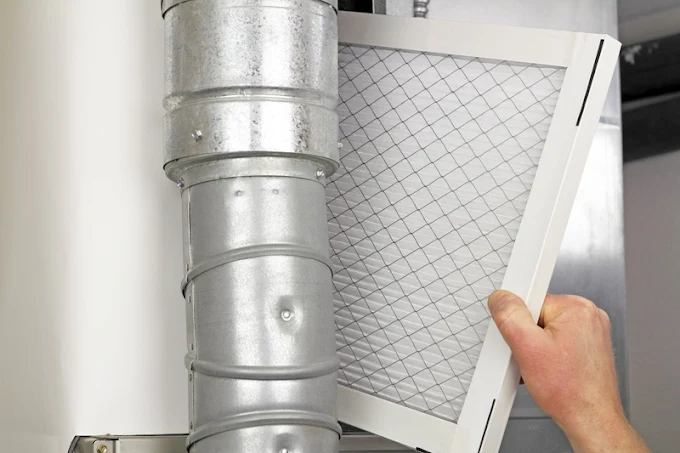
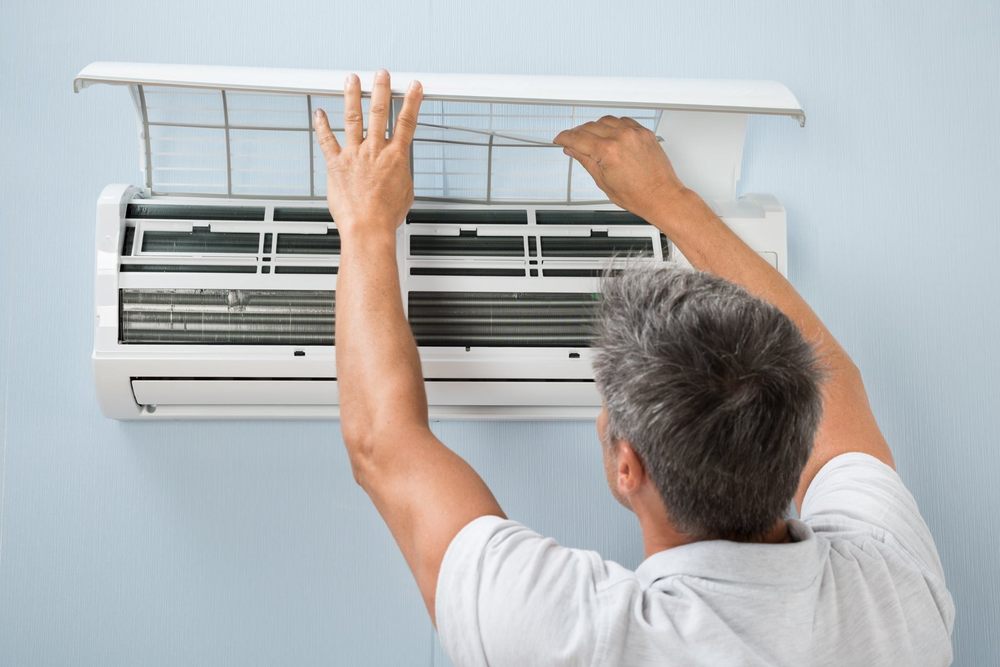
Michigan winters can bring freezing temperatures, making a reliable heating system essential for every home. When your furnace turns on but fails to provide warm air, it can quickly become uncomfortable and frustrating. Finding dependable furnace repair in South Lyon, MI can help restore your home’s comfort and prevent small heating issues from becoming major problems. A furnace that is not heating properly may have several causes, including airflow restrictions, thermostat issues, ignition failures, or worn-out components. Alison Mechanical Heating & Cooling LLC helps South Lyon homeowners identify heating problems and provides professional repair, maintenance, and replacement solutions to keep homes warm throughout the season. Why Is My Furnace Running but Not Heating My Home? One of the most common furnace problems homeowners experience is a system that appears to be working but does not produce heat. You may hear the furnace running, see the thermostat set to “heat,” and still feel cold air coming from your vents. Several signs may indicate your furnace is not working correctly, including: Cold air blowing from vents Furnace turning on and off frequently Weak airflow throughout your home Unusual noises coming from the unit Higher-than-normal energy bills Uneven temperatures between rooms While some issues can be fixed with simple troubleshooting, many furnace problems require professional inspection to identify the exact cause and prevent further damage. 7 Common Furnace Problems That Prevent Heating in South Lyon Homes 1. Dirty or Clogged Furnace Air Filter A dirty air filter is one of the easiest furnace problems to overlook. Over time, dust, pet hair, and debris can build up on the filter and restrict airflow through your heating system. When airflow becomes limited, your furnace has to work harder to heat your home. This can reduce efficiency, increase energy costs, and cause the system to overheat or shut down. Homeowners should check their furnace filter regularly and replace it when it becomes dirty. Regular HVAC maintenance can also help identify airflow issues before they affect your comfort. 2. Faulty Thermostat Settings or Thermostat Problems Your thermostat controls when your furnace turns on and how warm your home should be. If the thermostat is not working properly, your furnace may not receive the correct signals to produce heat. Common thermostat-related problems include: Incorrect temperature settings Dead batteries Faulty sensors Wiring issues Incorrect thermostat placement If your thermostat is set to heat but your furnace is blowing cold air, checking the settings and replacing batteries may help. However, persistent thermostat problems may require professional HVAC service. 3. Dirty Furnace Burners or Ignition Problems Your furnace needs a functioning ignition system and clean burners to create heat. If the burners are dirty or the ignition system fails, your furnace may struggle to start or may shut down shortly after turning on. Common signs of ignition problems include: Furnace clicking but not starting No warm air coming from vents Furnace starting and stopping repeatedly Delayed heating Because furnace ignition involves important safety components, professional inspection is recommended when these issues occur. 4. Broken Blower Motor or Poor Airflow Issues The blower motor is responsible for moving heated air from your furnace through your home’s ductwork. If the blower motor is damaged, your furnace may create heat but fail to distribute it properly. Signs of blower motor problems include: Weak airflow from vents No air coming from vents Humming or unusual sounds Rooms staying cold despite the furnace running A professional HVAC technician can inspect the blower motor, electrical connections, and other airflow components to determine the best repair solution. 5. Faulty Flame Sensor or Safety Component Failure Modern furnaces include safety features that prevent dangerous operation. One important component is the flame sensor, which confirms that the burners are operating correctly. If the flame sensor becomes dirty or fails, the furnace may ignite briefly and then shut off. This problem is often noticed when: The furnace starts but quickly stops The home does not reach the desired temperature The system repeatedly cycles on and off Professional furnace service can help clean or replace faulty safety components and restore proper operation. 6. Cracked Heat Exchanger or Major Furnace Damage The heat exchanger plays an important role in transferring heat while keeping combustion gases separate from your indoor air. Damage to this component can create serious safety concerns. Warning signs of major furnace problems may include: Unusual furnace odors Frequent system shutdowns Strange operating sounds Poor heating performance If a furnace has significant damage, repair may not always be the most practical option. A professional HVAC technician can evaluate whether repair or furnace replacement is the better choice. 7. Aging Furnace or Lack of Regular Maintenance Like any mechanical system, furnaces become less efficient as they age. Older systems may require frequent repairs and may struggle to maintain comfortable temperatures during Michigan winters. Regular furnace maintenance helps: Improve system efficiency Reduce unexpected breakdowns Extend equipment lifespan Identify potential problems early If your furnace is older, requires repeated repairs, or causes rising energy bills, discussing replacement options with an HVAC professional may be worthwhile. What Should You Check Before Calling a Furnace Repair Professional? Before scheduling service, homeowners can perform a few basic checks: Check Your Thermostat Make sure your thermostat is set to “heat” and the temperature setting is higher than the current room temperature. Replace batteries if needed. Inspect Your Furnace Filter A clogged filter can restrict airflow and affect heating performance. Replace dirty filters to improve system operation. Check Your Circuit Breaker Make sure the furnace has power and that the circuit breaker has not switched off. Check Air Vents Ensure vents and registers are open and not blocked by furniture, rugs, or other objects. If these steps do not solve the problem, professional furnace troubleshooting is recommended. When Should You Call Alison Mechanical Heating & Cooling LLC? Some furnace issues require expert attention, especially when your home is without heat during cold weather. You should contact a professional if: Your furnace is not producing heat Your furnace keeps